BNP pledges mandatory private sector pension, separate division for July Uprising 'heroes' in manifesto
The manifesto also outlines plans to fill long-vacant government posts by recruiting 5,00,000 employees, introduce “Family Cards” to streamline social safety net distribution, and promote a governance model based on meritocracy and institutional reform.

The BNP today (6 February) unveiled its election manifesto for upcoming national election, pledging sweeping social security reforms, including a mandatory pension scheme for private-sector employees and the creation of a dedicated government division to institutionalise and preserve the legacy of the July Uprising "heroes".
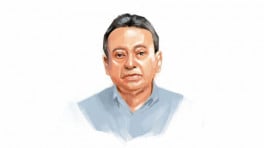
The party's chairman Tarique Rahman unveiled the manifesto at a city hotel, outlining the party's vision for socioeconomic restructuring, political accountability and what it described as a departure from a "politics of revenge" toward a merit-based state system.
A key economic promise in the manifesto is the introduction of a mandatory pension fund for private-sector employees, a segment of the workforce that has long remained outside state-backed retirement protection.
 Keep updated, follow The Business Standard's Google news channel
Under the party's proposed framework, a 'Pension Fund' would be established to alleviate old-age insecurity among non-government employees, which the manifesto identifies as a major gap in the existing social protection system.
To support this initiative, the BNP has also committed to enacting private service rules aimed at safeguarding employee rights and benefits in the private sector, with the stated goal of reducing disparities between public and private employment standards.
The manifesto places strong emphasis on preserving and institutionalising the legacy of the July Uprising.
As part of this effort, the BNP has pledged to establish a separate division under the Ministry of Liberation War Affairs dedicated to the welfare of the families of those killed and injured during the movement, as well as individuals recognised as fighters of the uprising.
According to the manifesto, the proposed division would oversee rehabilitation and long-term support for martyrs' families and injured participants, while ensuring access to education and healthcare for students harmed during the protests.
The party has also promised to initiate trials over what it termed the 'July killings,' vowing justice for crimes against humanity committed during that period and legal protection for uprising participants against harassment.
The BNP further committed to implementing the July National Charter and taking steps to prevent the re-emergence of authoritarianism or fascism in the country's political system.
These pledges form part of a broader economic and governance agenda under which the BNP aims to transform Bangladesh into a trillion-dollar economy by 2034.
The manifesto also outlines plans to fill long-vacant government posts by recruiting 5,00,000 employees, introduce "Family Cards" to streamline social safety net distribution, and promote a governance model based on meritocracy and institutional reform.