What Khaleda Zia's new VVIP status means
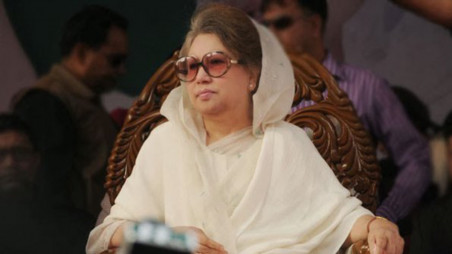
Former prime minister Khaleda Zia has long been suffering from multiple health complications and is currently receiving treatment at Evercare Hospital in Dhaka.
The government yesterday (1 December) officially declared the ailing BNP chief Khaleda Zia a Very Very Important Person (VVIP) under Section 2(a) of the Special Security Force (SSF) Act, 2021.
Bite-Sized: Who qualifies as a VVIP and what privileges do they actually get?
With this notification taking immediate effect, she now qualifies for state-provided close protection by the SSF, the same elite security unit that protects the president and the head of government (prime minister or chief adviser, as applicable).
Former prime minister Khaleda Zia has long been suffering from multiple health complications and is currently receiving treatment at Evercare Hospital in Dhaka.
 Keep updated, follow The Business Standard's Google news channel
Here is what the act says about how her security will be guaranteed:
Who qualifies as a VVIP under the SSF Act?
Section 2(a) of the act defines a VVIP as a foreign head of state or government, or any other person the government designates through a gazette notification.
What security is Khaleda Zia entitled to?
Section 8(2) states that the SSF shall provide physical security to any VVIP staying in Bangladesh.
Section 8(3) authorises the SSF to collect and share intelligence on any potential threats to VVIPs. The force may work to pre-empt risks and take all necessary measures to ensure their safety.
Under Section 8(4), SSF officers are granted exceptional operational powers when protecting a VVIP.
If an SSF officer reasonably believes a person's presence near the VVIP could endanger their physical security, the officer may arrest that person without a warrant. If someone resists arrest or tries to evade, the officer can use any necessary means to complete the arrest.
After issuing an appropriate warning, an SSF officer may open fire – even with potentially lethal consequences – if deemed necessary to neutralise a threat to the VVIP.
The SSF Act originally mandated special state security for Sheikh Mujibur Rahman's family members, including former prime minister Sheikh Hasina.
But following the July Uprising, the interim government that came to power amended the law on 29 August 2024, removing these special provisions, saying they were no longer administratively feasible under the changed circumstances.
How the SSF operates
The Special Security Force (SSF), originally created under the Special Security Force Ordinance of 1986, continues to function under the SSF Act 2021 as the state's elite protection unit.
The SSF is composed of a director general (DG) and other officers whose numbers are determined by the government. It operates strictly in line with the provisions of the SSF Act.
Under Article 152 of the Constitution, the SSF is classified as a disciplined force, similar to other highly regulated uniformed services.
No criminal, civil or other legal case or proceeding may be initiated against any officer of the force for anything done or intended to be done under any provision of this act without the prior written approval of the government, according to Section 11 of the law.