Bangladesh must train its youth for the future

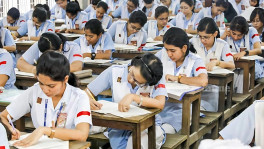
Bangladesh currently stands at a major turning point. With nearly half of our population under the age of 25, we are living through what economists describe as a demographic dividend, a rare and fleeting window when a young and capable workforce can power a nation's transformation.
Such moments do not fulfill their promise automatically. A demographic dividend is not a blessing that simply arrives.
The early warning signs are already visible. According to the World Bank, youth unemployment in Bangladesh stood at 11.5 percent in 2024 among those aged 15 to 24. Other data show that the country has around 2.6 million unemployeed people of whom roughly 83 percent are between 15 and 29 years old. Meanwhile, the International Labour Organisation estimates overall youth unemployment at 16.8 per cent, with 14.8 per cent for men and 22.7 per cent for women. These numbers speak to lost opportunities, untapped creativity, and a generation at risk of watching the future pass them by.
 Keep updated, follow The Business Standard's Google news channel
It would be a mistake to see this only as an employment problem. The challenge is much deeper. It is about preparing young people to become disciplined, united, and purpose-driven citizens, individuals who contribute not only to the economy but to the society they live in, the communities they belong to, and the shared future they will help shape. It is about forging character as much as it is about creating opportunity.
Bangladesh is not the first country to reach this demographic moment. Others have faced similar choices and found ways to guide their youth through them. Singapore, for example, introduced National Service to build discipline, civic duty, and resilience among young people. South Korea, one of the world's most advanced economies, still maintains compulsory conscription, not just for defence but to create a shared national experience that binds generations together. In the United States, the Juniour ROTC programme brings hundreds of thousands of high school students into leadership and civic training each year, shaping qualities that benefit them throughout life. Switzerland and Sweden credit their national service systems with building social trust and a sense of shared responsibility across regions and classes.
Such programmes are not necessarily about militarising society. They are about shaping identity, building cohesion, teaching transferable skills, and cultivating a shared sense of purpose.
Firefighting, modern digital skills, knowledge of national history, emergency drills, and civic duty could all be part of such a programme. These could be credited at universities or colleges to provide formal recognition for participation. Implementing this at district level using existing public school infrastructure would make it practical, inclusive, and accessible to young people across the country.
Such a programme would do more than teach skills. It would bring together young people from every region and social class—even in education, where we have students coming from Bangla medium, English medium, madrasa, and more. It would create a shared formative experience that breaks down barriers of geography, class, and background, and helps to knit together a more cohesive society.
We may not have vast natural resources, but we have people, and a lot of them. If they are properly trained, mobilised, and motivated, this human resource could become one of our nation's greatest strengths. It can help communities withstand disasters, respond effectively in times of crisis, and even deter aggression in a region where demographic strength carries strategic weight. In the truest sense, it can become a force multiplier.
The benefits of such a programme would go far beyond the present. A generation that is disciplined and prepared will raise children who understand responsibility and the importance of being ready. A society that encourages civic awareness and a sense of duty today will build stronger institutions and a more resilient nation tomorrow. What we do now will shape not only today's youth but also the future they create for the next generations.
Bangladesh already has some youth development and skill training. Many programmes aim to improve employability and create economic opportunities. But most focus only on technical skills and miss a bigger chance. What we need is a clear and connected approach that combines discipline, civic responsibility, awareness of national security, and digital skills into one programme. This combination, not separate efforts, will decide if we can make the most of our young population.
The chance to take advantage of this youthful population will not last forever. Time is limited. Countries that acted early turned their young people into engines of productivity, unity, and national strength. Bangladesh must do the same, and it must start now.
This mission is larger than employment statistics or growth targets. It is about shaping our identity and safeguarding our sovereignty. It is about preparing our young people not just for the job market but for the responsibilities of citizenship in a complex and rapidly changing world. If we can channel the vast energy of this generation into purpose, and give them the tools, discipline, and confidence to shape their own futures, then Bangladesh's demographic dividend will not be a passing advantage. It will become the foundation of a new era of national strength.
Ashfaq Zaman is the founder of Dhaka Forum
Disclaimer: The views and opinions expressed in this article are those of the author and do not necessarily reflect the opinions and views of The Business Standard.