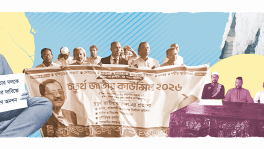
Dismissed for becoming a mother: Employee wins 7-year legal battle
“Wanting to become a mother is not a crime. It is a woman’s right. Maternity leave is also a right for working women. Many employers deprive female workers of these rights by finding excuses to terminate them.”

When Firoza Akter became pregnant in early 2019, she knew she would need rest, medical care and maternity leave. Instead, she says, she found herself fighting to keep her job.
At the time, Firoza was working as a nurse at the medical wing of TK Footwear Limited, where her regular shift ran from 8am to 5pm. According to her, the workplace environment changed soon after management learned about her pregnancy.
She alleges that she was pressured to work extended hours until 7pm despite her condition. When she refused, citing health concerns linked to her pregnancy, the company served her with a show-cause notice, eventually terminating her.
 Keep updated, follow The Business Standard's Google news channel
What followed became a legal battle that would stretch nearly seven years.
Recently, the 2nd Labour Court in Chattogram ruled in her favour, ordering the company to reinstate her with continuity of service and pay all outstanding salaries and maternity benefits accumulated since 2019.
For labour rights advocates, the verdict is more than an individual victory. They say it highlights a deeper problem faced by many working women in Bangladesh, where pregnancy can still become a reason for discrimination, harassment or dismissal despite legal protections.
"Wanting to become a mother is not a crime. It is a woman's right. Maternity leave is also a right for working women. Many employers deprive female workers of these rights by finding excuses to terminate them," Firoza told The Business Standard.
From nurse to litigant
According to court documents, Firoza joined TK Footwear as a nurse on 10 October 2017 and continued working until 2019.
On 20 March that year, the company issued her a show-cause notice over allegations she claims were fabricated. Although she submitted a written explanation, authorities later served her with a second notice before terminating her employment on grounds of misconduct.
With support from Bangladesh Legal Aid and Services Trust (BLAST), she filed a case with the Chattogram Labour Court challenging the dismissal.
After years of hearings, Judge Begum Jebunnesa of the 2nd Labour Court ordered the company on 22 February to restore her job status with full continuity of employment and clear all dues, including unpaid maternity benefits. The plaintiff received the attested copy of the verdict on 7 May.
Firoza said the case was never only about recovering wages.
"My financial condition was not so desperate that I had to survive on this salary alone," she said. "This fight was mainly about establishing a mother's rights and setting an example for others."
A case that exposes labour court delays
The case has also drawn attention to the delays in Bangladesh's labour justice system.
Under the country's labour laws, disputes are supposed to be resolved within 60 days, with a provision allowing an extension of another 90 days under special circumstances. Yet Firoza's case took nearly seven years to reach a verdict.
Labour rights activists say such delays discourage many workers from seeking justice, especially low-income women employed in factories.
Fazlul Kabir Mintu, coordinator of the Bangladesh Institute of Labour Studies, described the verdict as significant for women workers facing discrimination during pregnancy.
"We supported the worker throughout the legal process by providing legal advice and helping respond to the show-cause notices," he said.
However, he cautioned that the legal process may still continue if the company files an appeal or initiates writ proceedings in higher courts.
Wider concerns over maternity rights
Labour rights groups say pregnancy-related discrimination remains underreported in Bangladesh's industrial sector, particularly in factories where many women hesitate to challenge employers due to fear of losing income or facing blacklisting.
Although Bangladesh's labour law provides for maternity benefits and protections against unfair dismissal during pregnancy, enforcement remains inconsistent, especially in smaller factories and subcontracting units.
For Firoza, however, the verdict represents something larger than a legal victory.
After seven years of hearings, notices and court appearances, she says the judgment sends a message that motherhood should never become grounds for losing a livelihood.