



10 lakh farm families in Bangladesh need emergency agri-aid: FAO
Sylhet, Mymensingh, Rangpur face highest levels of need.
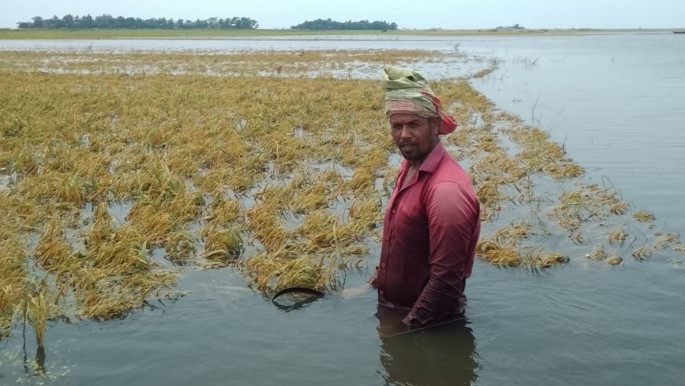
The Food and Agriculture Organization (FAO) of the United Nations has estimated that approximately 10 lakh agricultural households in Bangladesh – representing about 50 lakh people – will require emergency agricultural assistance between June and November this year.
That is 2 lakh more households than the FAO estimated in September last year, and small-scale producers are the hardest hit.
The findings come from the FAO's 14th round of Data in Emergencies Monitoring, an assessment of emergency agricultural support based on computer-assisted telephone interviews with 6,143 households in April and May this year.
 Keep updated, follow The Business Standard's Google news channel
The largest shares of households most in need of assistance were recorded in Sylhet, Mymensingh and Rangpur divisions.
The estimate is based on the identification of agricultural households simultaneously experiencing a relevant shock, including economic, idiosyncratic, agricultural and natural hazards; acute food insecurity; and an expressed need for agricultural support.
Economic shocks – rising food and fuel prices – affected 84% of at-risk households, according to the report.
Exposure to natural hazards reached 16%, up 6 percentage points from the previous round. Two in three households said they had bought food on credit, according to the FAO.
Meanwhile, 66% reported reduced healthcare spending. Nearly a third had cut spending on farm inputs – seed and fertiliser – needed for this season's crop.
The share of households requesting cash assistance rose by an alarming 41 percentage points, from 16% in the 13th round to 57% in the 14th round, the brief noted.
Needs were more prevalent in river systems, haors and flash-flood area hotspots, underscoring exposure to flooding and waterlogging as the monsoon season intensified.
The FAO linked the growing needs to monsoon floods, food inflation and falling incomes hitting households simultaneously.
Crop production difficulties remained similar, with close to one half of the surveyed crop producers reporting them over both rounds.
Of the crop producers who reported production difficulties, excess water in the fields, plant diseases and lack of access to fertiliser were the main issues faced.
On the other hand, crop-sales difficulties, driven mainly by low prices, also more than tripled from the last round of the survey, from 9% to 30%.
Meanwhile, livestock producers reported some relief compared with the last round, but disease and feed costs remained high – cited by 91% and 17% of those facing difficulties, respectively.
The FAO recommended a seasonally timed package of inputs, alongside cash support, animal-health services and water-management support, ahead of the Aman cultivation period.


