Garment exporters urge NBR to allow local 'free of cost' raw material sourcing
Industry leaders said that while exporters are now allowed to import raw materials from abroad on an FOC basis under a recent policy change, no such provision exists for sourcing the same materials locally.
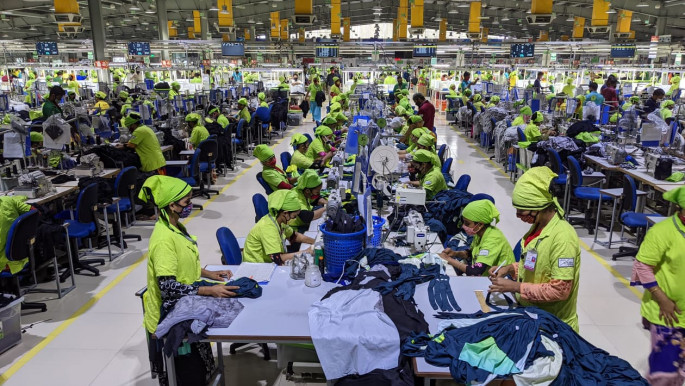
Readymade garment manufacturers have urged the government to remove restrictions on sourcing raw materials free of cost (FOC) from local suppliers.
Industry leaders said that while exporters are now allowed to import raw materials from abroad on an FOC basis under a recent policy change, no such provision exists for sourcing the same materials locally.
They said allowing FOC sourcing from domestic suppliers would boost local sales, strengthen backward linkage industries, and increase overall value addition in the export-oriented readymade garment sector.
 Keep updated, follow The Business Standard's Google news channel
In a letter sent to the National Board of Revenue (NBR) on 9 April, the Bangladesh Knitwear Manufacturers and Exporters Association (BKMEA) called for removing policy barriers and providing clarity on the issue.
The letter added that many local suppliers are now capable of providing inputs against international buyers' orders. In some cases, foreign buyers or their nominated agents are willing to supply materials free of cost through local vendors for use in export production.
However, the absence of clear policy guidelines on whether such transactions qualify as "deemed exports" has created uncertainty, preventing manufacturers from using locally sourced FOC inputs.
BKMEA said aligning local sourcing rules with those already in place for imported FOC materials would help make export operations more efficient and competitive. It added that allowing exporters to use locally sourced inputs under a cutting, making and trimming (CMT) model would further streamline production.
Contacted for comment, BKMEA President Mohammed Hatem said exporters face complications when buyers nominate local suppliers to provide inputs on an FOC basis.
"When a buyer nominates a local supplier to provide raw materials free of cost, exporters face difficulties in securing approval due to the absence of a specific order framework," he said.
He added that such restrictions are counterproductive, as they limit opportunities for domestic suppliers and reduce potential value addition within the country.
Citing an example, Hatem said that if a $100,000 export order includes $60,000 worth of inputs sourced locally on an FOC basis, it would reduce the need for imports by the same amount, benefiting local industries.
Experts have also questioned the rationale behind the restriction. Md Lutfor Rahman, former member of the NBR's customs policy wing, said there appears to be no logical basis for allowing FOC imports while restricting similar arrangements for local sourcing.
"If proper monitoring is ensured, there should be no risk of misuse. Rather, it would support the growth of domestic industries," he said.
The government had earlier issued a statutory regulatory order allowing exporters to import raw materials on an FOC basis without previous, following demands from the sector. Previously, such imports were capped at half of the previous year's consumption.
Industry stakeholders said the move was aimed at facilitating exports, but the exclusion of local sourcing from the same framework has created an uneven policy environment.
Attempts to contact the NBR chairman for comment were unsuccessful.