



Govt owes banks Tk4,000cr in remittance incentive dues
As of 30 November, outstanding incentive dues included Tk185 crore at City Bank, Tk445 crore at BRAC Bank, Tk400 crore at Trust Bank and Tk160 crore at Pubali Bank

The government's unpaid remittance incentive bills to commercial banks have crossed Tk4,000 crore, raising concerns about shrinking profitability and mounting liquidity pressure in the banking sector.
Banks pay a 2.5% cash incentive on remittances on behalf of the government and are later reimbursed through the central bank. However, repayments have been delayed for over three months and the dues are piling up.
A senior finance ministry official said arrears stood at more than Tk3,500 crore by November this year, rising by a further Tk500 crore in December, as remittance inflows remained strong.
 Keep updated, follow The Business Standard's Google news channel

Expatriates sent more than $2 billion in the first 17 days of December alone, adding to the incentive burden, while banks continued paying customers without receiving reimbursements.
Zahid Hussain, former lead economist at the World Bank's Dhaka office, said banks are effectively carrying a government subsidy without any provisioning framework. "If this is temporary, the impact may be limited, but if it continues, banks will face serious complications."
He said the government must decide how long banks are expected to shoulder the subsidy, especially as remittance inflows continue to rise. "Remittances exceeded $1.5 billion in the first half of December alone, meaning the subsidy burden will keep increasing unless funding arrangements change," he added.
The economist also pointed to signs of fiscal stress, citing slower-than-targeted revenue collection and rising government borrowing. He noted that the government had injected Tk20,000 crore into a newly merged Islamic bank, apparently outside the original budget framework.
Delays grown steadily
As of 30 November, outstanding incentive dues included Tk185 crore at City Bank, Tk445 crore at BRAC Bank, Tk400 crore at Trust Bank and Tk160 crore at Pubali Bank, according to the banks' sources.
A senior official at a private bank said incentives were usually settled within a month, but delays beyond three months are now common, creating pressure on deposit-based funding.
He said banks initially received advance funding when the scheme began, with reimbursements made within weeks, but arrears have grown steadily over the past year.

Syed Mahbubur Rahman, managing director of Mutual Trust Bank, said incentive payments had been pending for more than three months, complicating fund management.
"The issue had been raised with the central bank governor, who acknowledged that funds had not yet been released by the government," he said.

Another managing director said remittance inflows had remained strong for more than 16 months, meaning incentive payouts have also risen sharply.
As reimbursements are delayed, banks are using depositors' funds to bridge the gap, putting pressure on liquidity and balance sheet management, he added.
Mohammad Ali, managing director of Pubali Bank, said the issue had been raised in a central bank meeting, with assurances that payments would be distributed once released by the finance ministry.
Hit on profitability
Bankers said delayed payments are directly eroding profitability, as funds tied up in incentives cannot be deployed in income-generating investments.
A managing director said banks typically invest deposits across various sectors to generate year-end income, but incentive payments financed from deposits reduce investable funds.
A treasury head explained that if a bank receives $100,000 in monthly remittances at Tk122.30 per dollar, it must pay more than Tk1.22 crore to customers.

Including the 2.5% incentive, the payout rises to about Tk1.25 crore, meaning more than Tk3 lakh comes directly from bank funds that should be reimbursed by the government.
Previously, banks received three months of advance funding and could credit incentives immediately, but pre-funding has stopped and reimbursements now exceed five months in some cases, he said.
"This places an unnecessary financial burden on banks and hampers service delivery to remitters," he said, warning that prolonged delays could reduce future remittance inflows.
Missing out on treasury investments
Banks also face opportunity costs as large portions of funds remain locked in incentive payouts instead of government securities.
The current yield on 364-day treasury bills stands at about 10.72%, making them a key income source for banks. With funds tied up, banks are forced into shorter-term instruments with lower returns, reducing annual profitability.
A managing director illustrated that Tk100 crore invested for a year could earn Tk10.72 crore, but delayed reimbursement reduces the effective investment period and total income.
"If funds return after three months, investment returns fall sharply," he said, adding that assurances of eventual payment do not offset year-end losses.
Another deputy managing director said if monthly remittances average $2 billion, the government must pay around Tk610 crore each month in incentives.
He said the government should maintain realistic projections of remittance inflows and associated subsidy requirements.
Omar Faruk Khan, managing director of Islami Bank Bangladesh, said incentive delays of more than three months were cutting into banks' earnings.
Weaker banks face sharper stress
Bankers warned that while top-tier banks may manage the strain, weaker and mid-tier banks face sharper liquidity stress.
Mohammad Ali of Pubali Bank said banks with limited liquidity would struggle most, even if they receive large remittance volumes.
"Some banks get strong remittance inflows but lack sufficient funds, creating management difficulties," he said, adding that incentive payments should not be delayed beyond a month.

He also questioned the continued need for incentives when the dollar market has stabilised and remittance inflows have improved.
Syed Mahbubur Rahman of Mutual Trust Bank reiterated that prolonged delays are creating fund stress and increasing liquidity risks.
Bankers said unless the government clears arrears promptly or revises the funding mechanism, pressure on profitability and liquidity could deepen, particularly for weaker lenders.
'No scope for missing these payments'
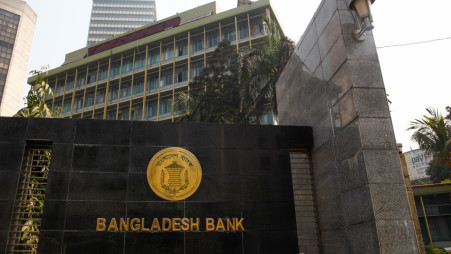
Arief Hossain Khan, spokesperson and executive director of Bangladesh Bank, said the issue was not a central bank matter.
"The government reimbursements will be paid, although delays are possible. There is no scope for missing these payments," he said.
A finance ministry official, speaking to TBS on condition of anonymity, said the incentive funds are never released on a monthly basis. They are disbursed at fixed intervals.
"Ahead of Eid, when remittance inflows rise sharply, incentive payments are sometimes even made in advance at the request of banks. Therefore, a delay of two to three months in fund releases is nothing to be worried about; it is a normal process."


