Dhaka can only be made safe with proper planning, building rules: IPD
Experts said the city’s rapid, unplanned expansion has increased the risks posed by earthquakes, fires and other disasters

Experts said today (28 November) that Dhaka has become unsafe and harder to live in because the city keeps growing without proper planning. They warned that unless this unplanned expansion is brought under control, Dhaka will remain at high risk from earthquakes, fires, and other disasters.
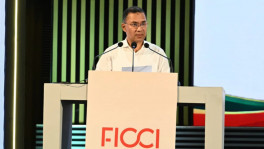
At an online discussion organised by the Institute for Planning and Development (IPD), Director Professor Adil Muhammad Khan said Dhaka can only be made safe if the city follows proper rules for land use, building design, soil testing, fire safety, and community training.
"Without these measures, a major earthquake, fire or large-scale disaster could bring severe devastation to the capital," he said.
 Keep updated, follow The Business Standard's Google news channel
Experts at the event said Dhaka has grown in a random way for many years. Many buildings were constructed without following any planning guidelines, and the government could not manage the large number of people moving into the city. They pointed out that many high-rise buildings have been built on weak ground such as filled wetlands and lowlands, where the soil cannot support heavy structures. They said political pressure, misuse of land, and corruption among officials have made the situation even more dangerous.
Speakers said the government recently changed the Detailed Area Plan (DAP) after pressure from business groups, without properly considering earthquake risks or the city's overall safety.
They said these changes ignored important factors like soil strength and Dhaka's earthquake-risk map. They called for stopping any move to publish new rules that change building height limits or increase the number of people allowed in an area without proper study.
The speakers said future city plans must consider soil strength, land type, and how much weight different areas can safely carry. They also urged the government to quickly form the Bangladesh Building Regulatory Authority (BBRA) to make sure building rules are properly followed.
Speaking on behalf of IPD, Professor Adil said earthquakes cannot be stopped, but their damage can be reduced through strict enforcement of construction rules.
"We must follow building codes without exception and ensure the BBRA is formed quickly to implement the Bangladesh National Building Code (BNBC)," he said.
He said new development should avoid risky areas.
"No public or private project should be approved on filled reservoirs or wetlands," he said.
Professor Adil said dangerous buildings must be identified and people trained for emergencies through regular drills and awareness programmes.
"Low-income residents need safe and affordable housing, and private developers must also be involved," he said.
"Strict action is needed against any official, agency, or developer responsible for construction violations," he added.
IPD said the long-term pressure on Dhaka can only be reduced if development is spread to other cities. It said building planned housing, creating jobs, and improving services in divisional and district towns could help ease Dhaka's burden within the next 15–20 years.
IPD recommended stronger enforcement of building rules, safer infrastructure, better coordination among city agencies, and better community training. It suggested short-term steps such as listing risky buildings, moving residents from unsafe structures, improving fire-safety checks, strengthening the fire service, restoring water bodies, and launching digital building permits.
Medium-term steps include repairing weak buildings, redeveloping high-risk areas like Old Dhaka, removing dangerous activities from crowded places, and marking rescue routes and safe shelters. Long-term measures include creating a single city authority, spreading development to other cities, planning with disaster risks in mind, using safer building technologies, and improving disaster education in communities and schools.