'Energy trap' fears amid fuel crisis; experts urge coordinated policy
The concerns were raised today (2 May) at a webinar titled "Today's Agenda: Economy Trapped in the Energy Crisis?" organised by Power and Participation Research Center (PPRC).

Bangladesh's economy risks falling into an "energy trap" due to rising global fuel prices, dollar shortages and pressure from import dependence, speakers warned.
The concerns were raised today (2 May) at a webinar titled "Today's Agenda: Economy Trapped in the Energy Crisis?" organised by Power and Participation Research Center (PPRC).
Speakers said the crisis had intensified because of supply constraints, demand-driven reactions and communication gaps. Some early disruptions quickly turned into panic buying, causing a sudden spike in fuel demand. Although rationing and other measures were introduced, uncertainty made the situation more complex. Participants also discussed energy security during future emergencies.
 Keep updated, follow The Business Standard's Google news channel
Former energy secretary AKM Zafar Ullah Khan said long-standing planning weaknesses in the energy sector were now becoming clear. Aligning with global markets had further exposed domestic vulnerabilities.
He said questions were being raised about how much fuel Bangladesh could store and for how long. Fuel prices would eventually have to be adjusted in line with international markets, but uninterrupted supply remained the key priority. He added that the country did not have enough storage capacity to handle large fluctuations in incoming or outgoing oil supplies.
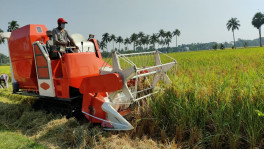
Former Bangladesh Agricultural University vice-chancellor A Sattar Mondal said, "Agriculture was becoming increasingly machine-dependent, raising fuel demand. Ensuring steady fuel supply has become essential for maintaining production at the field level."
He said muscle power in farming had largely been replaced by machine power. "Around 4.2 million diesel engines are used across the agricultural sector, not only for irrigation but also in many other activities," he said.
Sattar expected both machinery use and diesel demand to rise further.
Syed Mahmudul Haque, chairman of Trade Services International, said fluctuations in global fuel prices were directly increasing Bangladesh's import costs, putting pressure on foreign currency reserves and the wider economy.
He said every $5 rise per barrel in the international market significantly increased Bangladesh's import bill. He urged the country to consider alternatives, including diversifying sources of supply instead of relying mainly on the Middle East.
Anwar-ul Alam Parvez, chairman of the Bangladesh Chamber of Industries, said changing geopolitical conditions were making fuel supplies more uncertain, requiring coordinated and diversified planning.
"Bangladesh needed short-, medium- and long-term policies to secure the energy sector. Immediate steps should include operating coal-based plants according to capacity, maintaining domestic capability with imports from Adani Group and India, and prioritising gas supplies for fertiliser and productive industries," he said.
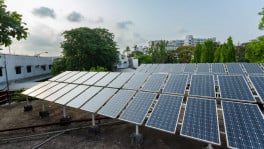
Mohammad Nazmul Haque, president of the Bangladesh Petrol Pump Owners Association, stressed the need to expand renewable energy and accelerate domestic gas exploration to reduce import dependence.
"Renewable resources must now be utilised, while more emphasis should be placed on drilling gas wells," he said, adding, "140 wells had been initiated since the current government took office."
Speakers also said that although supply conditions had not improved significantly, stronger demand management and monitoring had helped stabilise the situation gradually. However, uneven distribution at fuel stations and excessive media focus on local shortages had increased public anxiety.
Concluding the discussion, Hossain Zillur Rahman said the fuel crisis had exposed gaps in both immediate response and medium-term planning. Without coordinated policy and effective implementation, such crises could deepen and recur.
He also said accurate information flow during crises was essential, warning that false or exaggerated messaging could further destabilise the situation.