



BPC plans 40,000-tonne LPG plant amid growing demand
Industry insiders say BPC could perform well because it doesn’t face capital constraints
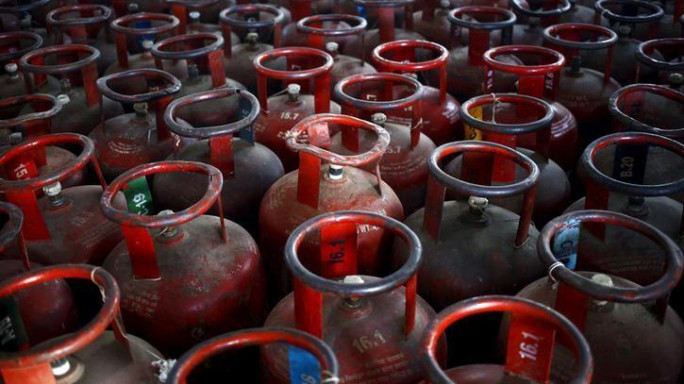
When much of Bangladesh's private liquefied petroleum gas (LPG) industry is fighting to survive, the state-run Bangladesh Petroleum Corporation (BPC) is moving to build a new import-dependent LPG plant in Chattogram, its first such initiative in nearly three decades.
Citing rapidly rising demand for LPG cylinders, BPC has requested 50 acres of unused land owned by the Water Development Board (WDB) in the city's South Kattoli area to establish the plant, with an annual capacity of 40,000 tonnes.
The proposed site, close to Chattogram port, is seen as strategically advantageous. The Energy and Mineral Resources Division recently wrote to the Ministry of Water Resources seeking allocation of the land at market or mouza value.
 Keep updated, follow The Business Standard's Google news channel

In its letter, signed by Deputy Secretary Shahadat Hossain, the division said WDB owns two unused plots in South Kattoli – one of 25 acres and another of 33.51 acres – previously acquired but not used for their intended purpose.
"For ensuring energy security and environmentally friendly, affordable fuel supply, we request consideration for allocating 50 acres of this land in favour of BPC," the letter stated.
Locating the plant near port facilities would reduce transport costs for importing refrigerated and pressurised LPG and make storage, bottling, and distribution more efficient and cheaper, it added.
WDB officials said no decision has been made yet. "We've already sent a report to the ministry on the land BPC asked for a month ago. The ministry will take the decision," said Sub-Divisional Engineer Borno Hoque.
Officials said the project would significantly expand the government's presence in a market now almost entirely dominated by private operators. The proposal reflects a policy push to enhance energy security and provide LPG at more affordable prices.
Industry insiders, however, warned that the timing could further strain private operators, who have endured years of aggressive price competition, mounting losses, and the exit of many firms.
What BPC's entry could mean
Amirul Haque, president of the LPG Operators Association of Bangladesh, said BPC could perform well in the sector because it does not face capital constraints.
However, he suggested that instead of building a new plant, BPC could acquire two or three inactive private plants in Chattogram or Mongla.
"The government often accuses us of price manipulation and syndication," he said. "If BPC enters the business with more investments, it will understand the hurdles we face."
BPC Chairman Amin Ul Ahsan and Director (Operations and Planning) AKM Azadur Rahman were unavailable for comment, as they did not respond to calls.
Long gap in state investment
Bangladesh currently has only two state-owned LPG storage and bottling plants: Patenga in Chattogram, built in 1977–78, and Kailashtila in Sylhet, set up in 1995. Despite strong demand for cheaper government LPG, no new state-run plant has been built since.
BPC officials estimate annual bottled LPG demand at about 1.7 million tonnes, rising to 3 million tonnes by 2030, driven by the halt in new household gas connections and limited pipeline access for industry and transport.
Government supply remains marginal. State-owned LP Gas Limited can supply only about 33,000 tonnes a year – 25,000 tonnes from Chattogram and 8,000 tonnes from Kailashtila. Private operators meet roughly 99% of national demand.
Bruised private sector
Until 2010, Bangladesh's LPG market had just six operators. After new household gas connections were halted in 2009, licences were issued aggressively to promote LPG.
By June 2024, 58 licences had been granted, drawing in major conglomerates. The market remained stable until 2014-15, after which frequent licensing fuelled intense competition and falling prices.
Some firms have since exited. Bengal Group sold its LPG unit to City Group, while others seek buyers but remain burdened by liabilities from years of subsidies.
JMI Group founder and managing director Md Abdur Razzaq entered the LPG business in 2020, introducing 32 lakh cylinders. With earnings of about Tk600 per unit against costs of Tk3,000, subsidy losses neared Tk1,000 crore.
Razzaq said his project budget rose from Tk700–800 crore to around Tk3,000 crore due to pandemic delays and subsidies, including over Tk2,000 crore in bank loans. "The biggest hit came from cylinder losses, about Tk1,000 crore," he said.
Omera Petroleum CEO Tanzeem Chowdhury said competition intensified in 2017 when several firms entered at once. "Subsidies have jumped from Tk100 to about Tk2,500 per cylinder. This is unsustainable," he said.
Bashundhara Group, the country's first private LPG operator, is also under strain. A senior official said profits of Tk30–40 per cylinder in 2014–15 have given way to sales at one-fifth of cost. Despite more than 70 lakh cylinders in circulation, the business remains unprofitable.


